Rural Acreages, Lakefront Homes and Recreational Property Mortgages in Salmon Arm and the Okanagan

A property can look perfect on a sunny Saturday and still be complicated to finance on Monday morning.
That is especially true with rural acreages, cabins, four-season recreational homes, and lakefront properties. Lenders do not just look at the house and the borrower. They look at access, zoning, water source, septic system, heat, land use, resale demand, insurance, and whether the property fits standard mortgage rules.
A home on a town lot in Vernon or Chestermere is usually straightforward. An acreage outside Olds with outbuildings, a dugout, and some agricultural income is not. A lakefront cabin near Salmon Arm may be harder still if it has seasonal access, a private septic field, or sits on leased land.
This guide breaks down how financing differs by property type, where the common problems show up, and why inspections for wells and septic systems can affect the mortgage approval itself.
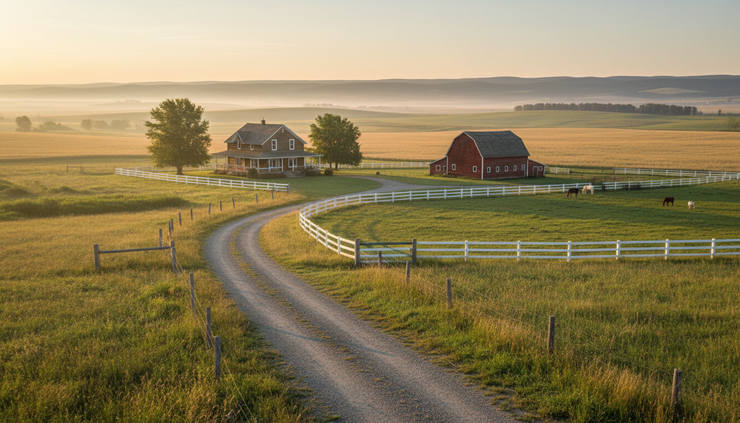
Rural acreages follow a different mortgage playbook
A rural acreage may be someone’s home, a hobby farm, a working agricultural property, or something in between. That distinction matters.
Most residential lenders prefer properties that are primarily residential. A house on a few acres with a garage, garden, and small shop is usually easier to finance than a quarter section with commercial farm buildings, livestock operations, or significant farm income.
The core question is simple: is the property mainly a residence, or is it a business asset?
If it looks and functions like a home first, residential mortgage options are more likely. If the land, buildings, or income-producing use dominate the value, the file may move toward agricultural, commercial, or specialized lending.
What lenders usually review on acreage files
For Acreage Mortgages, lenders often ask more questions than they would for a standard subdivision property. The review may include:
The total number of acres
The size, age, and condition of the home
Whether the land is residential, agricultural, or mixed-use
The value and purpose of outbuildings
The property’s road access
The source of drinking water
The type and condition of the septic system
Whether any income comes from farming, boarding animals, storage, or rental use
Whether the property can be easily resold if needed
A key point surprises many buyers: lenders may not give full mortgage value to every acre. Some lenders focus on the house plus a limited amount of surrounding land. Extra acreage may be valued conservatively, especially if it has limited residential use.
That does not mean large acreages cannot be financed. It means the appraised value used by the lender may differ from the purchase price in a way that affects the down payment.
Olds and central Alberta acreage considerations
Olds is a strong example of a market where residential acreage and agricultural property often overlap. The area has small acreages, hobby farms, equestrian setups, and larger working operations. Many properties include shops, barns, corrals, equipment storage, and older farmhouses.
For lenders, the main considerations often include:
Whether the borrower’s income depends on the property
Whether the residence is separate from the farm operation
Whether buildings are used personally or commercially
Whether the property has standard year-round road access
Whether water and septic systems are documented and functioning
Agriculture professionals and investors may see strong long-term value in these properties, but lenders still underwrite conservatively. A beautiful shop or barn may support the lifestyle value of the property, yet it may not add the same value in a lender’s residential mortgage calculation.
What makes acreage financing harder
Acreage financing becomes more difficult when the property does not fit a clean residential profile. Common issues include:
Large parcels with limited comparable sales
An appraiser needs reasonable comparable sales. In rural areas, each property can be unique. One acreage may have mountain views, another may have irrigation rights, another may have a newer shop, and another may have poor access. The appraisal can take longer and may come in below the purchase price.
Non-standard buildings
A shop, barn, greenhouse, riding arena, or second dwelling can raise questions. Lenders want to know whether they are legal, insured, permitted, and appropriate for residential lending.
Mixed personal and business use
If part of the property runs as a commercial operation, the lender may require more documentation. That can include business financials, lease agreements, farm income records, or confirmation that the use is incidental.
Environmental concerns
Fuel tanks, old farm dumps, chemical storage, or former agricultural uses may trigger concern. In some cases, a lender may ask for more information before approving financing.
Access and services
A private road, shared driveway, unregistered easement, or limited winter maintenance can affect approval. So can unreliable utilities or an unusual water source.
Recreational homes can qualify, but the details matter
Recreational property financing covers a wide range. At one end, there is a fully winterized second home with year-round road access, electrical service, potable water, and a standard septic system. At the other end, there is an off-grid seasonal cabin accessed by boat, with wood heat and no conventional plumbing.
Those two properties do not receive the same mortgage treatment.
Lenders tend to divide recreational homes into stronger and weaker categories based on year-round usability, services, and resale appeal. The closer the property is to a normal home, the easier it is to finance.
Stronger recreational properties
A recreational property is usually easier to finance when it has:
Year-round road access
A permanent foundation
Standard electrical service
A reliable heat source
Potable running water
A conventional septic system or municipal sewer connection
A kitchen and bathroom
Good overall condition
Residential zoning or acceptable recreational zoning
Broad resale appeal
A property like this may be treated similarly to a secondary residence, depending on the lender and insurer. That can open the door to lower down payment options for qualified borrowers.
More difficult recreational properties
Financing becomes more limited when a recreational property has:
Seasonal or boat-only access
No permanent heat source
No potable water supply
Outhouse or holding tank only
Solar or generator power only
A structure built without permits
Leasehold title with restrictions
Short remaining lease terms
Remote location with limited comparable sales
These properties may still be attractive, especially to cash buyers or experienced investors. From a lending perspective, the concern is risk. If the lender ever had to sell the property, the pool of buyers would be smaller.
That smaller resale market often means a bigger down payment, a shorter list of lender options, or both.

The 5 percent versus 10 percent down payment question
Secondary residence down payments are one of the most misunderstood parts of recreational property financing.
In Canada, some qualified borrowers may be able to buy an eligible second home with as little as 5 percent down on the first portion of the purchase price, subject to insurer and lender rules. This normally applies to properties that are suitable for year-round occupancy and meet standard residential requirements.
A 10 percent or higher down payment is more common when the property is more recreational in nature, more remote, seasonal, or outside standard insurer guidelines. Some lenders may require 20 percent or more, especially if the property is considered an investment property, has rental use, or lacks standard services.
The difference often comes down to property quality and intended use.
Property situation | Typical financing direction |
Fully serviced second home suitable for year-round use | May qualify with a lower insured down payment, sometimes starting at 5 percent for eligible borrowers |
Seasonal cabin with limited services | Often requires 10 percent or more, depending on condition, access, and lender appetite |
Rental or investment-focused vacation property | Often requires at least 20 percent down, subject to lender rules |
Remote, off-grid, or leasehold recreational property | May need specialized financing, larger down payment, or alternative lending |
The phrase “second home” does not automatically mean 5 percent down. The property has to fit the program, and the borrower has to qualify.
Salmon Arm and Shuswap recreational property considerations
Salmon Arm and the broader Shuswap area attract buyers looking for lake access, cabins, retirement properties, and short-term recreational use. The region has everything from in-town homes near the lake to more remote cabins on smaller roads.
For mortgage purposes, the details matter:
Is the property in Salmon Arm proper, or farther out in a rural area?
Is it serviced by municipal water and sewer, or private well and septic?
Is there legal year-round road access?
Is the property intended for personal use, rental use, or both?
Is the structure a standard dwelling, cottage, manufactured home, or cabin?
A property near town with standard services will usually be easier to finance than a seasonal cabin tucked into a more remote part of the Shuswap. That difference can affect down payment, appraisal, insurance, and lender choice.
Lakefront homes come with extra scrutiny
Lakefront property has obvious appeal. It also has extra risk from a lender’s point of view.
Waterfront land can be valuable, but it may also bring flood exposure, erosion concerns, shoreline restrictions, insurance requirements, dock questions, and environmental rules. The lender needs to be comfortable not only with the home, but with the land and title.
What lenders look for on lakefront files
A lakefront mortgage review often includes questions such as:
Is the property freehold, leasehold, strata, or part of another ownership structure?
Is there year-round access?
Is the home above known flood-prone areas?
Is shoreline erosion visible or documented?
Is flood or overland water insurance available?
Are docks, boathouses, or retaining walls permitted?
Is the water supply private, municipal, or drawn from the lake?
Is the septic system set back properly from the water?
Are there zoning or environmental restrictions that affect use?
Some issues do not automatically stop financing. They simply need to be understood early. A buyer who waits until the financing condition is almost expired may not have enough time to solve them.
Vernon, the Okanagan Valley, and lake-driven values
Vernon and the Okanagan Valley include many property types that can sit close together but finance very differently. A home near Okanagan Lake, Kalamalka Lake, or Swan Lake may be fully urban, semi-rural, or recreational depending on its services, title, location, and use.
The Okanagan also has strong demand for lifestyle properties. That can support resale value, especially in established areas. Yet demand does not remove lender concerns. A lakefront home with municipal services and standard access may be straightforward. A seasonal cabin on a private road with a septic system near the lake may require a more careful file.
For investors, rental rules also matter. Local bylaws, strata rules, insurance limitations, and lender policies can all affect whether projected rental income can be used for qualification. A property that looks like a strong vacation rental may not qualify the same way as a conventional long-term rental.
Chestermere lakefront properties are different again
Chestermere has a different profile from many rural or remote recreational areas. It is close to Calgary and has a more urban character, even though lake access is a major part of its appeal.
That can make many Chestermere properties easier to finance than remote lakefront cabins because they may have:
Better access to services
More comparable sales
Municipal infrastructure
A larger year-round buyer pool
Stronger lender familiarity
Still, lakefront or lake-adjacent homes in Chestermere can carry added review for insurance, property condition, shoreline improvements, and title details. Higher purchase prices may also mean a larger down payment simply because of mortgage insurance limits and borrower qualification.

Wells and septic systems can make or break approval
Private water and septic systems are normal for rural homes. They are also one of the biggest sources of financing delays.
A lender wants confidence that the home is safe, livable, and marketable. If the drinking water is unsafe or the septic system is failing, the property may not meet that bar without repairs, holdbacks, or further review.
Why well inspections matter
A well inspection usually checks the physical system, flow, and basic operation. A water test checks potability, often including bacteria such as total coliform and E. coli. Depending on the lender, insurer, property type, and region, water testing may be required before funding.
For buyers, the issue is timing. Water samples may need to go to an approved lab, and results are not always immediate. If the sample fails, the well may need treatment, disinfection, repair, or retesting.
A failed potability test can affect financing because the lender may not want to fund a mortgage on a home without safe drinking water. Some lenders may allow a solution before closing. Others may require proof of acceptable results first.
Common well-related concerns include:
Low flow or poor recovery rate
Bacterial contamination
High mineral content
Old or poorly sealed well caps
Shared well agreements that are not properly documented
Wells located too close to septic systems or agricultural activity
Shared wells deserve special care. A lender may ask for a written agreement that sets out access, maintenance, cost sharing, and rights to use the water.
Why septic inspections matter
A septic inspection looks at the system’s condition, age, location, and function. A failing septic system can be expensive to repair or replace. It can also create health and environmental risks, especially near lakes, creeks, and wells.
Lenders may become cautious if an inspection shows:
Sewage backing up
A saturated or failing field
Unpermitted installations
Systems too close to water bodies
Cracked tanks
Unknown tank location
No maintenance records
A system that does not match the number of bedrooms or expected occupancy
On lakefront properties, septic concerns become even more sensitive. A system near the shoreline may face stricter review. If the system is old or undocumented, the lender may want more information, and an insurer may not accept the risk without proof that the system is functional.
How inspections affect conditions and closing timelines
A standard urban purchase might need financing approval, appraisal, insurance, and legal work. A rural or recreational purchase may need all of that plus:
Well inspection
Water potability test
Septic inspection
Confirmation of access easements
Insurance review
Zoning confirmation
Review of outbuildings or secondary dwellings
Lease or title review
Environmental questions
Each item can add time. A short subject removal period may not be enough, especially in rural areas where inspectors, appraisers, or lab testing are harder to schedule quickly.
Buyers can reduce stress by asking early for known records:
Well log, if available
Recent water test
Septic permit or installation record
Septic pumping and maintenance history
Survey or real property report
Utility information
Road maintenance agreement
Shared well or shared access agreement
Sellers can also benefit from preparing these documents before listing. A complete information package can make the property easier to finance and easier to sell.
Non-standard properties need a stronger financing plan
Rural Property Financing is less about finding one magic lender and more about matching the property to the right lending category from the start.
A strong file answers lender questions before they become problems. That means organizing the property details, the borrower’s income documents, and the intended use clearly.
Residential, agricultural, or commercial use
The first step is identifying the property’s true use.
A residential acreage with a garden and a few chickens is different from a parcel used for cattle, crops, boarding horses, or commercial storage. A lakefront home used by the owner’s family is different from a short-term rental business.
Use affects:
Lender selection
Down payment
Insurance
Appraisal method
Debt servicing
Income documentation
Mortgage insurance eligibility
Where agricultural income exists, lenders may ask whether it is material to qualification. If the borrower needs that income to qualify, business or farm financials may be reviewed. If the income is incidental and the borrower qualifies without it, the file may stay simpler.
Appraisals can carry more weight
Appraisals matter in every mortgage file, but they carry extra weight with non-standard property.
For acreages, the appraiser may comment on land size, marketability, outbuildings, comparable sales, and whether the property conforms to the area. For recreational and lakefront homes, the appraiser may consider access, seasonality, waterfront features, and local demand.
Problems arise when the purchase price reflects emotional or lifestyle value that the lender does not fully recognize. For example, a buyer may pay a premium for privacy, a view, a newer shop, or a rare waterfront location. The lender may still lend based on a more conservative appraised value.
If the appraisal comes in low, the buyer may need to increase the down payment, renegotiate, change lenders, or reconsider the purchase.
Insurance must be available before funding
Mortgage lenders require acceptable property insurance. With rural, recreational, and lakefront homes, insurance can become a real condition rather than a routine task.
Potential insurance concerns include:
Wood heat
Remote fire protection
Older electrical systems
Seasonal occupancy
Short-term rental use
Flood exposure
Previous claims
Outbuildings and farm structures
Vacant periods
For lakefront property, overland water coverage may be limited or expensive. For rural properties, distance from a fire hall or hydrant can affect premiums. For cabins, insurers may ask how often the property is occupied and how it is heated in winter.
Financing and insurance should be checked together. A mortgage approval is not useful if acceptable insurance cannot be arranged by closing.

Regional factors change the conversation
Mortgage rules come from lenders and insurers, but the property conversation changes by region. Salmon Arm, Olds, Vernon, Chestermere, and the Okanagan Valley each raise a different set of questions.
Salmon Arm
Salmon Arm sits in a market where lake lifestyle, rural living, and small-acreage ownership often overlap. A buyer may be looking at a home close to town, a Shuswap-area recreational property, or a rural acreage with private services.
Key financing questions often include:
Is the home year-round or seasonal?
Are water and septic systems private?
Is access public, private, shared, or seasonal?
Is the property used personally or rented?
Is the title freehold or subject to lease or strata terms?
A Salmon Arm property with standard access and services may fit well with residential lending. More remote or cabin-style properties may need larger down payments and more flexible lenders.
Olds
Olds and the surrounding central Alberta area bring agricultural considerations to the front. Many properties have more land, more outbuildings, and more potential for mixed use.
Key financing questions often include:
Is the acreage primarily residential?
Are farm buildings used personally or commercially?
Is any farm income needed to qualify?
Are there environmental concerns from fuel, chemicals, or old equipment?
Does the property have standard access and utilities?
Olds-area acreage buyers should be ready for a close look at land use, buildings, and water systems. The more the property resembles a working farm, the more specialized the financing may become.
Vernon
Vernon includes urban homes, rural acreages, hillside properties, orchards, and lake-oriented homes. A property can be minutes from town but still involve wells, septic, steep access, or agricultural zoning.
Key financing questions often include:
Is the land in an agricultural or residential zone?
Are there orchard, vineyard, or farm uses?
Is the home connected to municipal services?
Is the property near a lake, hillside, or rural road?
Are there rental or suite components?
Vernon buyers should pay close attention to zoning and property use. A home that looks residential may still sit on land with restrictions or uses that affect lender review.
Chestermere
Chestermere is often more urban and lender-friendly than remote recreational markets, but lake influence still matters. Higher values, water proximity, insurance considerations, and title details can all affect the file.
Key financing questions often include:
Is the property lakefront, lake access, or simply nearby?
Are shoreline improvements permitted?
Is insurance straightforward?
Does the purchase price require a larger down payment?
Is there any rental or investment use?
Because Chestermere has a larger urban buyer pool, comparable sales may be easier to support. The main issues are usually price, insurance, waterfront details, and borrower qualification.
The Okanagan Valley
The Okanagan Valley is broad and varied. It includes luxury lakefront homes, strata resort properties, acreages, orchards, vineyard estates, cabins, and standard family homes.
Key financing questions often include:
Is the property a standard residence, recreational home, farm, or investment?
Is it freehold, strata, leasehold, or part of a resort structure?
Are short-term rentals allowed by local rules and strata bylaws?
Are water licences, irrigation, wells, or septic systems involved?
Does the appraisal support the lifestyle premium in the purchase price?
The Okanagan’s appeal is strong, but lenders still separate personal-use homes from rental properties, agricultural assets, and seasonal cabins. The right mortgage path depends on that classification.
A practical checklist before writing an offer
Non-standard properties reward preparation. Before making an offer on an acreage, lakefront home, or recreational property, gather as much detail as possible.
Use this checklist as a starting point.
Property access
Confirm whether access is public, private, shared, seasonal, or boat-only. Ask who maintains the road and whether agreements are registered.
Water
Find out whether the property uses municipal water, a private well, a shared well, lake intake, cistern, or hauled water. Ask for recent test results and well records.
Septic
Ask for permits, maintenance records, pumping history, and the location of the tank and field. Consider a septic inspection before removing conditions.
Heat and utilities
Confirm the primary heat source, electrical service, backup systems, and whether utilities operate year-round.
Zoning and use
Check whether the current and intended use are allowed. This matters for suites, rentals, farm activity, home businesses, and short-term accommodation.
Title
Ask about freehold, leasehold, strata, easements, rights of way, shared driveways, water rights, and shoreline permissions.
Insurance
Speak with an insurance provider early. Do not assume a cabin, lakefront home, or acreage will be insured the same way as a city house.
Appraisal risk
Leave enough time for an appraisal. Be prepared for the lender to value excess land, outbuildings, or recreational features conservatively.
Down payment
Plan for more than the minimum if the property is seasonal, remote, used for rental income, or outside standard guidelines.
Income documentation
If the property includes farm, rental, or business income, gather tax documents, leases, financial statements, and expense records early.
The best mortgage file tells a clear property story
The more unusual the property, the more the mortgage file needs a clear explanation.
For a standard home, the file may say: borrower qualifies, property appraises, insurance is in place.
For an acreage, recreational home, or lakefront property, the file may need to say much more:
The property is primarily residential
The road access is legal and reliable
The water is safe and sufficient
The septic system is functional
The home is insurable
The use is allowed under zoning
The appraisal supports the value
The down payment fits the risk
The borrower can carry the property without relying on uncertain income
That clarity helps lenders make decisions. It also helps buyers avoid late surprises.
A rural acreage outside Olds, a lakefront home in Chestermere, a cabin near Salmon Arm, and a Vernon-area property in the Okanagan may all be excellent purchases. They simply do not belong in the same financing box.
The main takeaway is this: get the property details reviewed before falling in love with the view, the dock, the shop, or the acreage size. The right financing path starts with knowing what the property really is in the eyes of a lender.

This article is for general information only and is not financial advice. Mortgage rules, insurer guidelines, and lender policies can change, and each approval depends on the borrower, property, down payment, and intended use. For unique rural, recreational, or lakefront properties, early review is the best protection against costly surprises.


Comments